What's Inside
- How Dogs Shed Heat, and Why Shelby County Summers Defeat It
- What Polished Concrete and Store Lighting Ask of a Dog's Brain
- Seven Air-Conditioned Shelby County Stops, Graded by Sensory Load
- Running an Indoor Session From Parking Lot to Checkout Lane
How Dogs Shed Heat, and Why Shelby County Summers Defeat It
Canine thermoregulation is the set of mechanisms a dog uses to hold its core temperature steady. Dogs have very limited full-body sweating. They lose heat mainly by panting, which moves air across the moist surfaces of the tongue and nasal turbinates, and through small sweat glands in the paw pads. Environmental enrichment means structured mental and physical stimulation that meets a dog's behavioral needs. It becomes a planning problem when the weather removes the usual outlets.
Mid-South weather removes them. Panting depends on evaporation. When relative humidity rises above 65% and air temperatures sit between 88°F and 92°F, evaporative cooling through the tongue and turbinates drops sharply, because the saturated air of the Mississippi River valley cannot take on much more moisture. A dog can pant hard in that air and still gain heat.
The pavement adds a second hazard. By 11:00 AM, direct sun heats dark asphalt along Poplar Avenue and Sam Cooper Boulevard to between 135°F and 145°F. Paw pads begin to suffer thermal cellular damage after 60 seconds, give or take, of contact with a 125°F surface. Evening offers less relief than most owners expect. Dark asphalt in Shelby County holds radiant heat well past 8:30 PM in July and August, so a dusk walk can still burn pads. For this reason, planning summer exercise around morning dew point serves dogs better than planning it around the thermometer reading. The AVMA's canine heatstroke prevention guidelines cover warning signs every Memphis household should know.
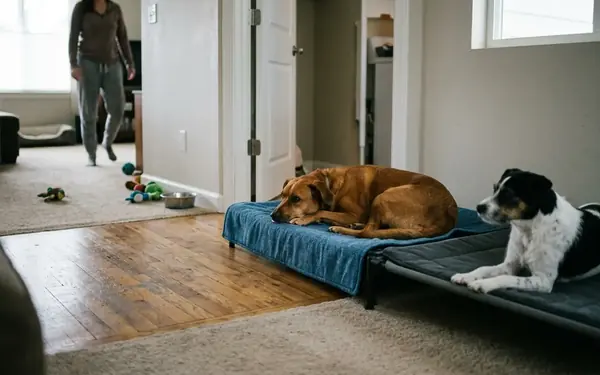
Then there is the behavioral cost of staying home. After 4 to 6 straight days of restricted movement during heat advisories, working and sporting breeds reliably show barrier frustration, increased vocalization, and slipping impulse control. Door-dashing returns. Cues that seemed solid in spring start to fail.
The goal, then, is to find work for the dog that does not involve hot pavement.
What Polished Concrete and Store Lighting Ask of a Dog's Brain
A park outing is mostly physical. A trip through a climate-controlled store is mostly cognitive. Each aisle brings a new mix of odors to sort through, and each turn exposes the dog to sounds and movement it has not met before. The dog spends its effort processing information, and that kind of work is tiring.
Four sensory variables shape the experience:
- Flooring. Polished concrete and sealed vinyl offer so little traction that dogs must keep their stabilizing core muscles engaged the whole time.
- Acoustics. Industrial HVAC units give off a constant low-frequency hum of 55 to 65 decibels. That hum masks the handler's voice, so hand signals and leash pressure carry more of the communication.
- Lighting. Overhead fluorescents and glare off glossy floors change how depth and movement look to the dog.
- Aisle geometry. Narrow lanes and blind endcaps bring shoppers into view with almost no warning.
Slick floors were an early sticking point in developing this protocol. Handlers first put rubberized grip booties on dogs before entering hardware corridors. The booties altered the dogs' gait and set off repeated paw-shaking, which proved more distracting than the floors. The practice was dropped. Handlers now build proprioception at home with slow figure-eight turns on smooth garage floors before the first store visit.
Gear should stay consistent from trip to trip. Use a fixed 4-to-6-foot flat biothane or leather lead with a front-clip Y-harness. Leave retractable cords at home, because they allow sudden lunges around blind endcaps. Bring soft, pea-sized semimoist rewards, such as boiled chicken or freeze-dried beef liver, that a dog can swallow in under 2 seconds. Dry kibble crumbles onto commercial floors and invites frantic scavenging.
Who Should Stay Home
Public retail outings suit only dogs with basic impulse control and a non-reactive temperament. Dogs that show stranger-directed fear aggression, resource guarding over dropped items, or strong startle responses to overhead P.A. chimes should skip retail access completely. A private indoor turf rental is a better setting for behavior modification work with these dogs.
Seven Air-Conditioned Shelby County Stops, Graded by Sensory Load
Square footage is a poor guide to difficulty. A useful grading looks at how unpredictable a venue's sounds are and how dense its smells are. By that measure, a huge warehouse store is often easier for a novice dog than a small neighborhood shop that keeps bulk dried treats at nose level. One caution applies to the whole list: dog access depends on store and management policy, and a location that welcomed dogs last summer may have changed its rules. Call the specific branch before driving over.
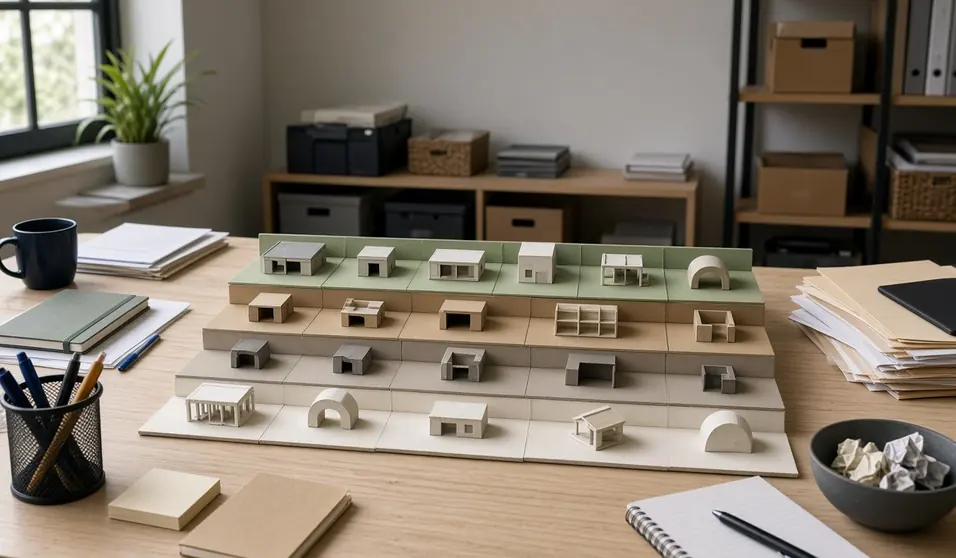
Tier 1: Starter Venues
- Large-format pet retail near Wolfchase and Cordova. Weekday visits between 9:00 AM and 10:30 AM avoid the crowds that weekend adoption events bring. These stores have straightaways of about 120 feet, which give enough room to practice loose-leash pacing.
- Agricultural supply stores in Arlington, Millington, and Collierville. Enclosed self-serve wash bays with stainless steel ramps allow 25 to 30 minutes of air-conditioned grooming desensitization away from aisle traffic. This makes them a strong puppy care stop.
Tier 2: Intermediate Venues
- Lowe's Home Improvement along Perkins Extended and Stage Road. Concrete aisles 10 to 12 feet wide let handlers keep an 8-foot buffer, more or less, from clattering lumber flatbeds and lowering safety gates. The smell of cut lumber adds a scent layer without overwhelming the dog.
- Hollywood Feed in Midtown, East Memphis, and Germantown. Open bulk-treat bins and plush toys sit 12 to 18 inches off the floor along 4-foot aisles. These shops are excellent for proofing 'leave it' and especially hard for food-motivated dogs.
- Kitchen-free taprooms in Midtown and Crosstown. Shelby County health codes allow dogs in the air-conditioned seating areas of taprooms that operate without commercial kitchens. The spacing between tables works well for mat-settles of 20 to 40 minutes.
Tier 3: Advanced Venues
- The Downtown historic hotel lobby. Outside the 11:00 AM and 5:00 PM resident waterfowl marches, this lobby calls for dependable under-chair down-stays on thick carpet while luggage carts roll past.
- Bass Pro Shops at the Memphis Pyramid. Water features, open cypress swamp habitats, full-body taxidermy, live alligator enclosures, and crowded elevator banks make this the most demanding venue in the county. Dogs need to hold a strict 3-foot heel the entire time. Bring a dog here only after it has handled the earlier tiers well.
Running an Indoor Session From Parking Lot to Checkout Lane
Every entry follows the same three phases: curbside relief, threshold decompression, and aisle yield. This sequence came from watching what happens when a dog goes straight from a hot car through sliding glass doors. Without a buffer, dogs tended to start sniffing frantically and pulling on the leash before they were even through the vestibule.
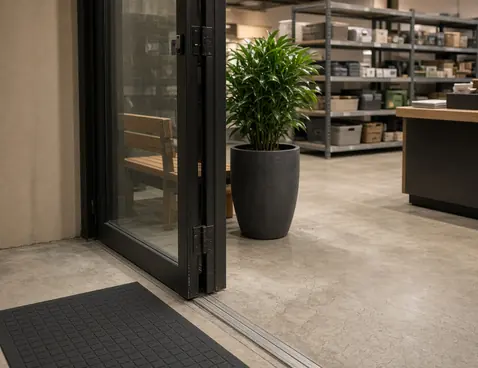
- Curbside relief. Walk the dog onto a shaded turf median for a 2-to-3-minute potty break. Before crossing any lane of the parking lot, press the back of your bare hand to the blacktop for 7 full seconds.
- Threshold decompression. Ask for a 3-second stationary sit or a four-on-the-floor wait at least 6 feet from the motion-activated doors. The rush of something like 72°F air and the sudden movement of the doors can otherwise set off a lunge.
- Aisle yield. Shorten the lead to somewhere around 24 inches as you approach blind endcaps. When a shopper with a cart passes within 5 feet, make a crisp 90-degree step to the side and ask for a sit.
The 60-Second Exit Rule
Watch for displacement signals: rapid lip-licking, yawning, whale eye (a visible half-moon of white in the eye), or sudden scratching. If the dog shows three of them within 60 seconds of passing the doors or a lumber cart, stop the heel-work at once. Move to a quiet perimeter aisle, or leave and go back to shaded turf.
Etiquette matters as much as the training itself. Dog-friendly access in Memphis depends on store managers continuing to allow it. Step aside for shoppers who are uneasy around dogs. Keep the lead short at every corner. Clean up immediately after any accident. Each well-handled visit helps keep that store open to the next dog.
Shorter Trips, Bigger Payoff
Short, sharp visits are worth more than long ones. End the session while the dog is still succeeding, before it starts to tire.
Summer heat in Shelby County does not have to shrink a dog's routine. About 15 to 20 minutes of structured scent work and small obedience adjustments in an unfamiliar air-conditioned store tires a dog's central nervous system about as much as a 45-to-60-minute walk around the neighborhood.